Europe is about to make a fundamental choice for the future of its fisheries. As negotiations on the EU’s next long-term budget gather pace, the direction emerging from recent discussions among EU Fisheries Ministers risks prioritising support for today’s fishing fleet over the investments needed to secure the future of the sector by restoring marine ecosystems and fish populations on which the sector depends. At a time when many fish populations remain under pressure and marine ecosystems are deteriorating, investing in fisheries also means investing in ocean health. Otherwise, Europe risks ending up with more vessels, but fewer fish.
Healthy oceans are the foundation of fisheries
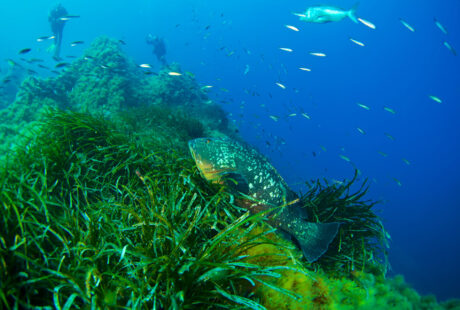
Healthy marine ecosystems, resilient fish populations and functioning habitats are the ecological and economic foundations upon which fisheries and coastal communities depend. The current Commission proposal tries to reflect this reality by supporting not only the Common Fisheries Policy, but also the European Ocean Pact and the EU’s wider maritime and environmental objectives, recognising that sustainable fisheries require healthy seas.
However, discussions among EU Fisheries Ministers at the June Fisheries Council risk narrowing this vision. While many Member States emphasised stronger financial support for fisheries, aquaculture and fleet renewal, far less attention was given to the broader ocean objectives that underpin the long-term viability of the sector. This shift is particularly concerning because Europe already faces a significant investment gap in implementing its marine environmental commitments, from effectively managing marine protected areas to restoring degraded ecosystems and achieving Good Environmental Status under EU law. Without investing in a healthier ocean, Europe cannot secure the long-term prosperity of its fisheries.
Public money should finance the future, not the past
Public funding should help transform the fisheries sector, rather than preserve existing practices. Strong environmental safeguards are therefore essential to ensure that EU money supports sustainable investments. Yet recent Council discussions have raised concerns about attempts to weaken the “Do No Significant Harm” principle, one of the EU budget’s key environmental safeguards. This principle helps ensure that public money does not finance activities that undermine environmental objectives or existing EU legislation, such as bottom trawling and fossil fuels. Weakening this safeguard would increase the risk that EU taxpayers’ money support investments that compromise the health of the ocean.
Fleet renewal must enable the transition to low-impact fisheries, not undermine it
Renewing Europe’s fishing fleet can improve safety, working conditions and energy efficiency. But replacing ageing vessels must not become a backdoor to increasing fishing capacity or prolonging pressure on already vulnerable and overfished fish populations. This is why all countries around the globe committed, through the WTO Agreement on Fisheries Subsidies, to prevent public funding from contributing to overcapacity and overfishing. The European Commission, supported by Sweden and Denmark, has rightly insisted that fleet modernisation must remain fully consistent with these international commitments.
Yet several Member States have argued for broader possibilities to finance new vessel construction, regardless of the status of the targeted fish populations. This risks steering the EU budget in the wrong direction as overcapacity remains a structural challenge in parts of the EU fleet. Increasing capacity without addressing ecological limits will simply place greater pressure on the marine ecosystems that fisheries ultimately depend on.
Funding should support the fisheries Europe needs tomorrow
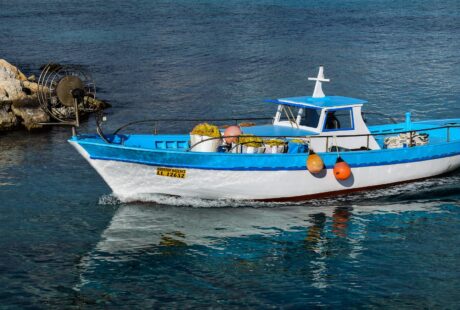
The challenge facing European fisheries is the need to build a sector that can adapt to climate change, operate within ecological limits and remain economically resilient. The latest evaluation of the Common Fisheries Policy challenges a common assumption: bigger fleets do not necessarily deliver greater economic returns. On the contrary, it shows that small-scale coastal fisheries are among the most socio-economically successful segments of the sector, while providing significant employment (making up 76% of the fleet) and value to coastal communities despite receiving a comparatively smaller share of public support (only 7% of subsidies).
Europe does not need a budget that locks fisheries into the challenges of the past. It needs one that supports the transition towards low-impact and economically viable fisheries. The next EU budget should not steer Europe towards yesterday’s fisheries, but create the conditions for the fisheries of tomorrow to thrive.
Posted on: 10 July 2026