Destructive fishing practices, diminishing returns for fishers, declining marine biodiversity – all point to the same urgent need: European fisheries must be reimagined.
During Ocean Week, the #RethinkFisheries Day brought together Seas At Risk, Sciaena, DUH and Blue Marine Foundation to host a photo exhibition showcasing the deep interconnectedness of the sea and the communities who rely on it.
The photo exhibition comes at a crucial moment for the future of European fisheries policy as calls for deregulation increase across the EU, a move that undermines marine protection and fishers’ livelihoods.
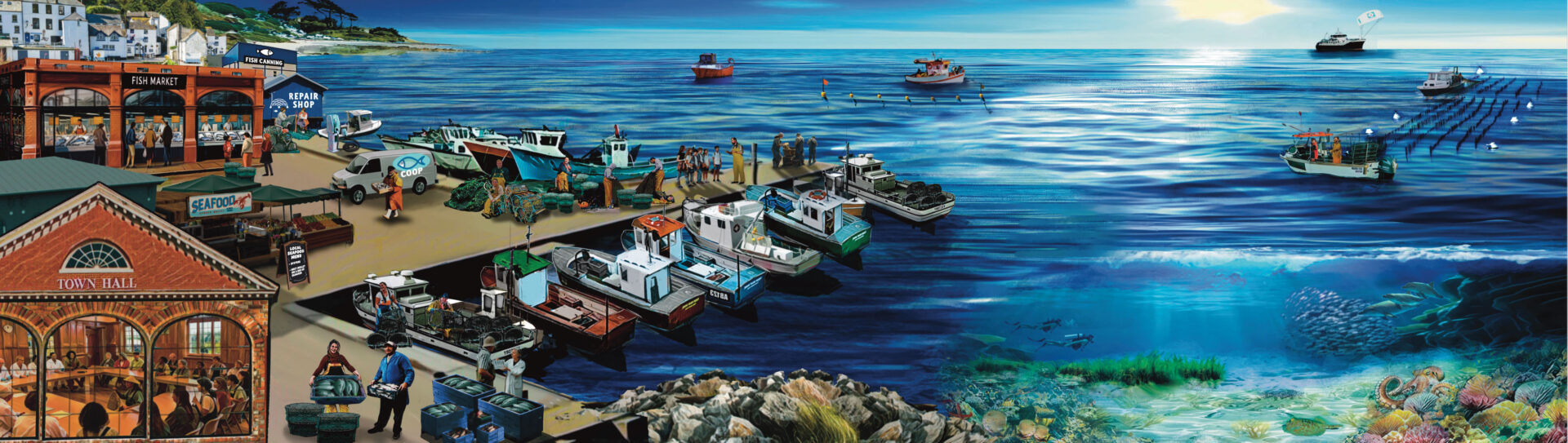
A just, sustainable future lies in fair, low-carbon, low-impact fishing that brings social, environmental and economic values into balance. Europe must urgently transform its fisheries to conserve biodiversity, restore ecosystem functions, uphold social justice, and ensure that marine space and resources are shared fairly.
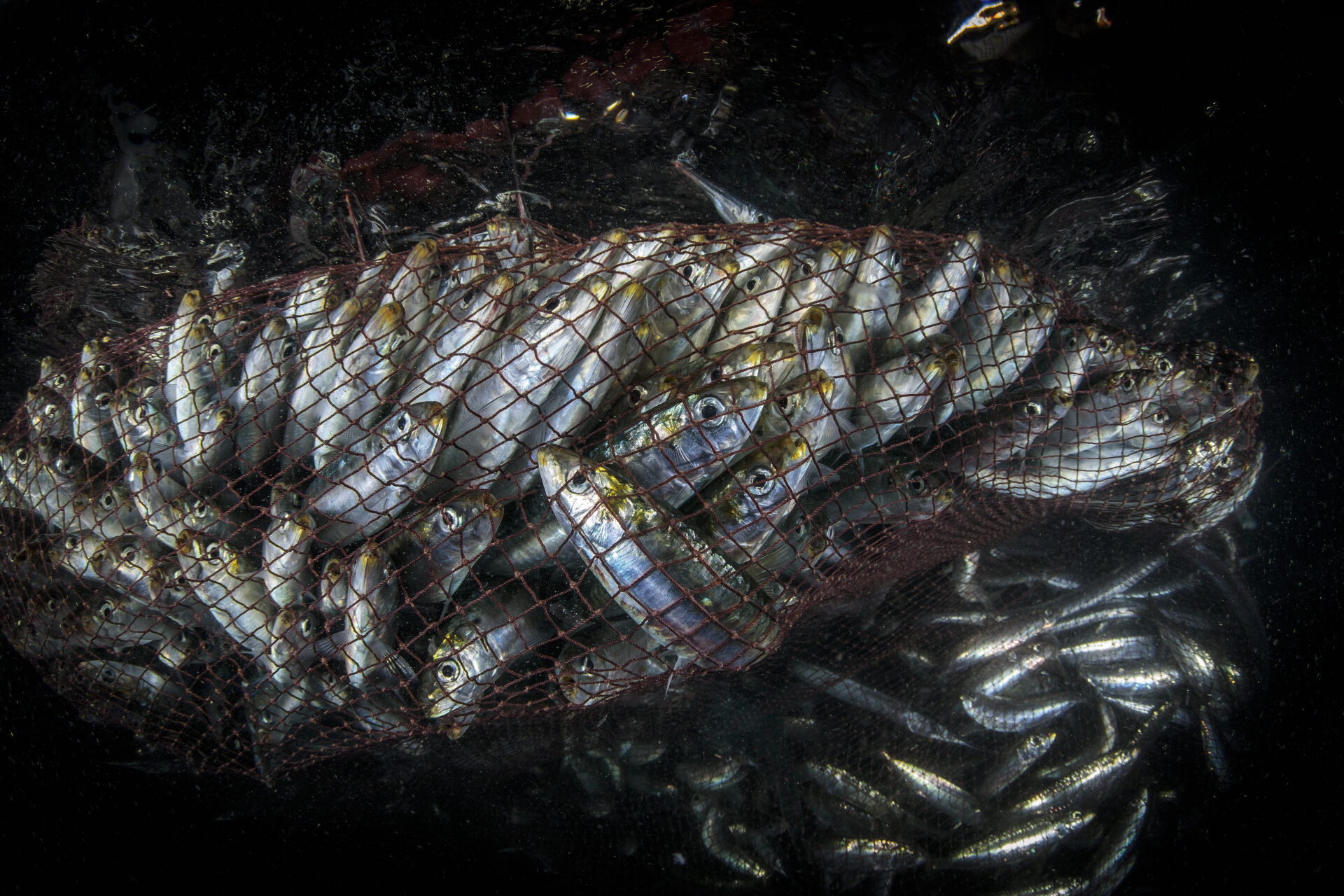
© João Vieira Rodrigues
After decades of overfishing and more recently with climate change impacts on plankton, sardine populations have declined significantly in size and number. Intensive fishing of sardines eliminates a critical source of food for larger species such as whales and seabirds, while affecting the carbon sequestration cycle in marine ecosystems. Fishing practices must use selective, low-impact gear that respects seasonal patterns and life cycles of marine species, while minimizing disturbance to marine habitats.
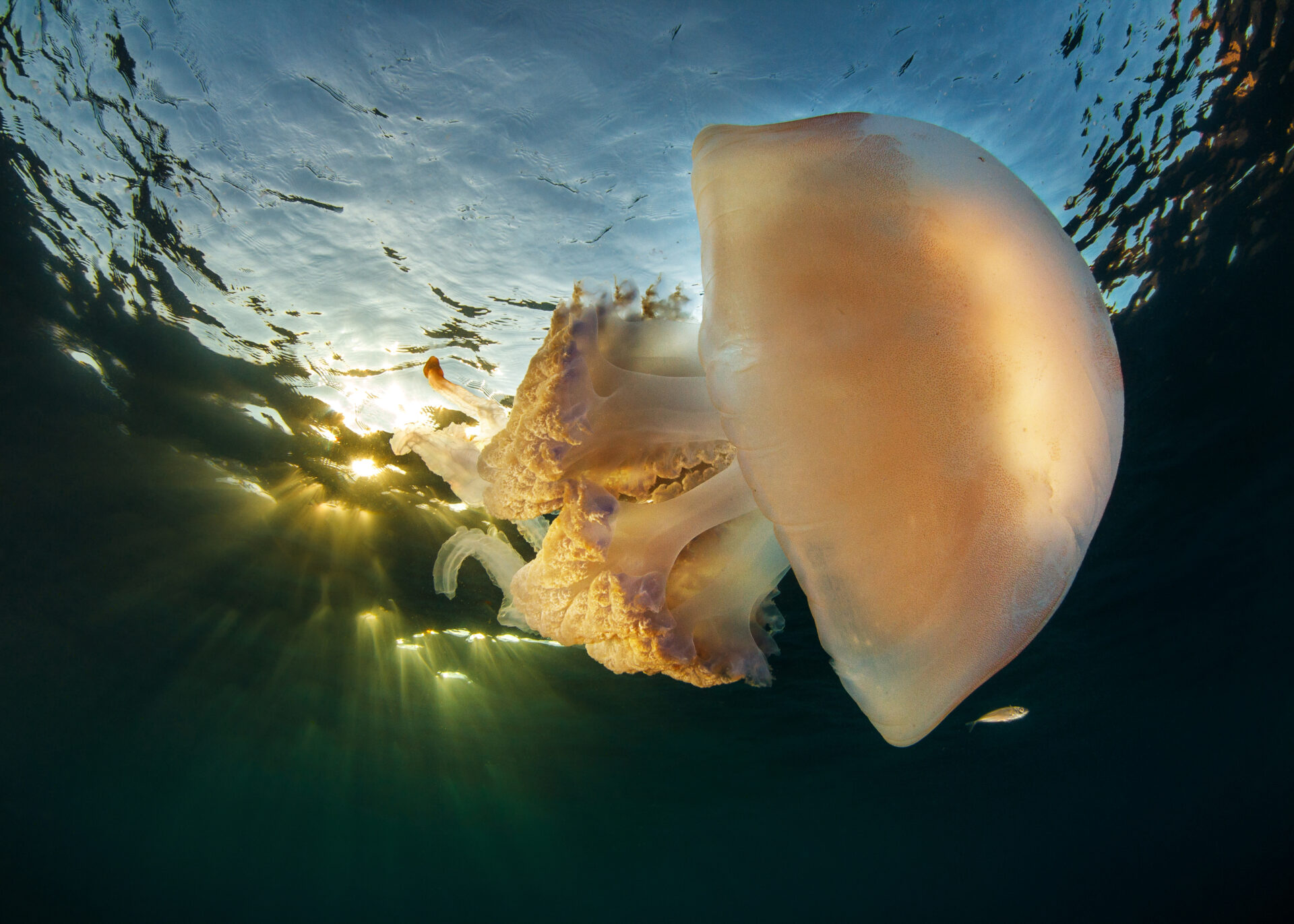
© João Vieira Rodrigues
Like many other sea creatures, this barrel jellyfish is directly affected by human activities. Jellyfish play a crucial role in marine ecosystems and contribute to nutrient cycling. However, overfishing and climate change bloat jellyfish populations, leading to larger jellyfish blooms that have significant impact on coastal communities and marine biodiversity.
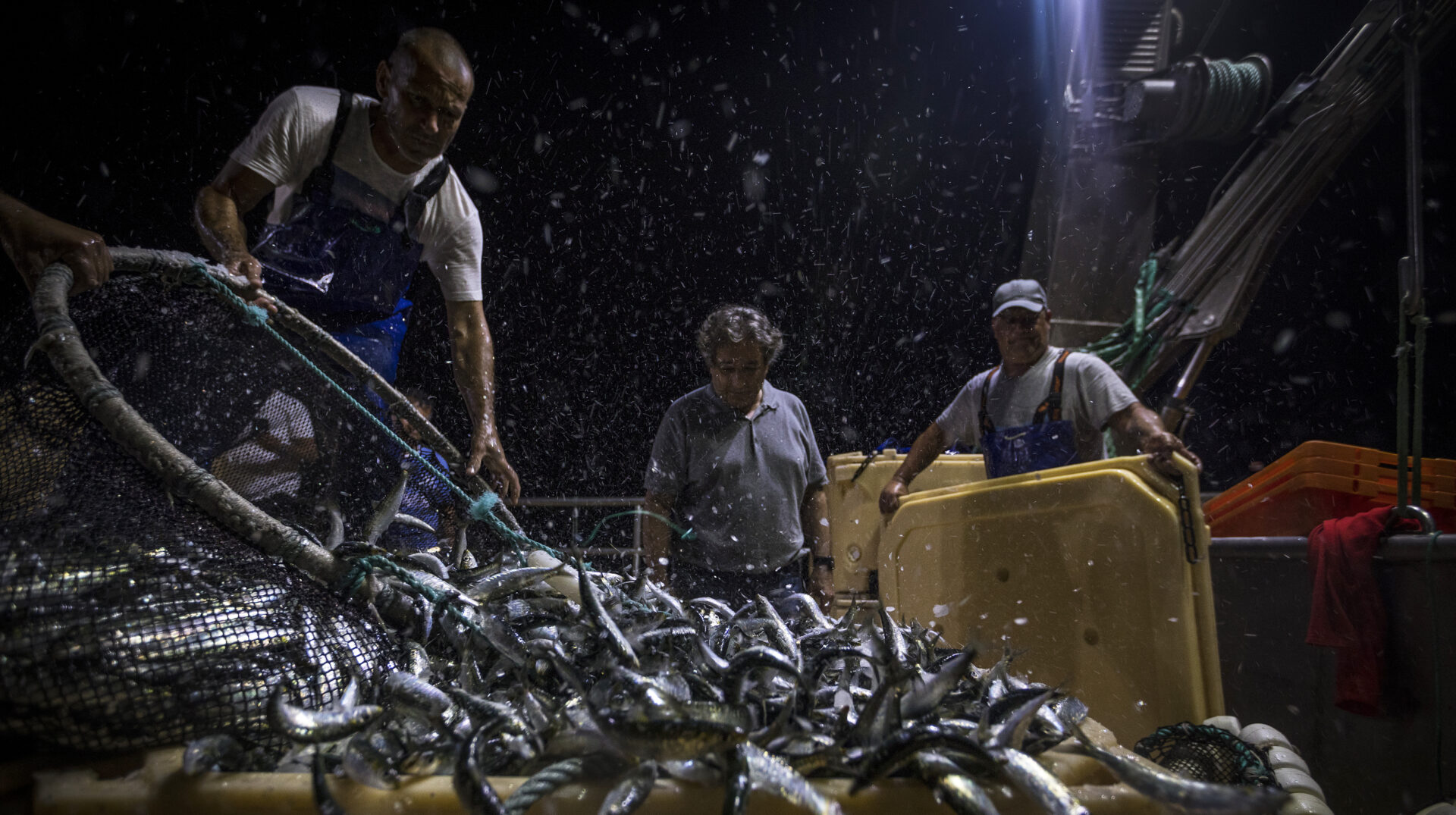
© João Vieira Rodrigues
A group of fishers haul in a full net of sardines at night. They are among the 58 million people employed in capture fisheries and aquaculture, despite fishing being one of the most challenging and hazardous occupations. Low-impact and fair fisheries must be built on a human rights-based approach that guarantees dignified work and fair treatment throughout the value chain.
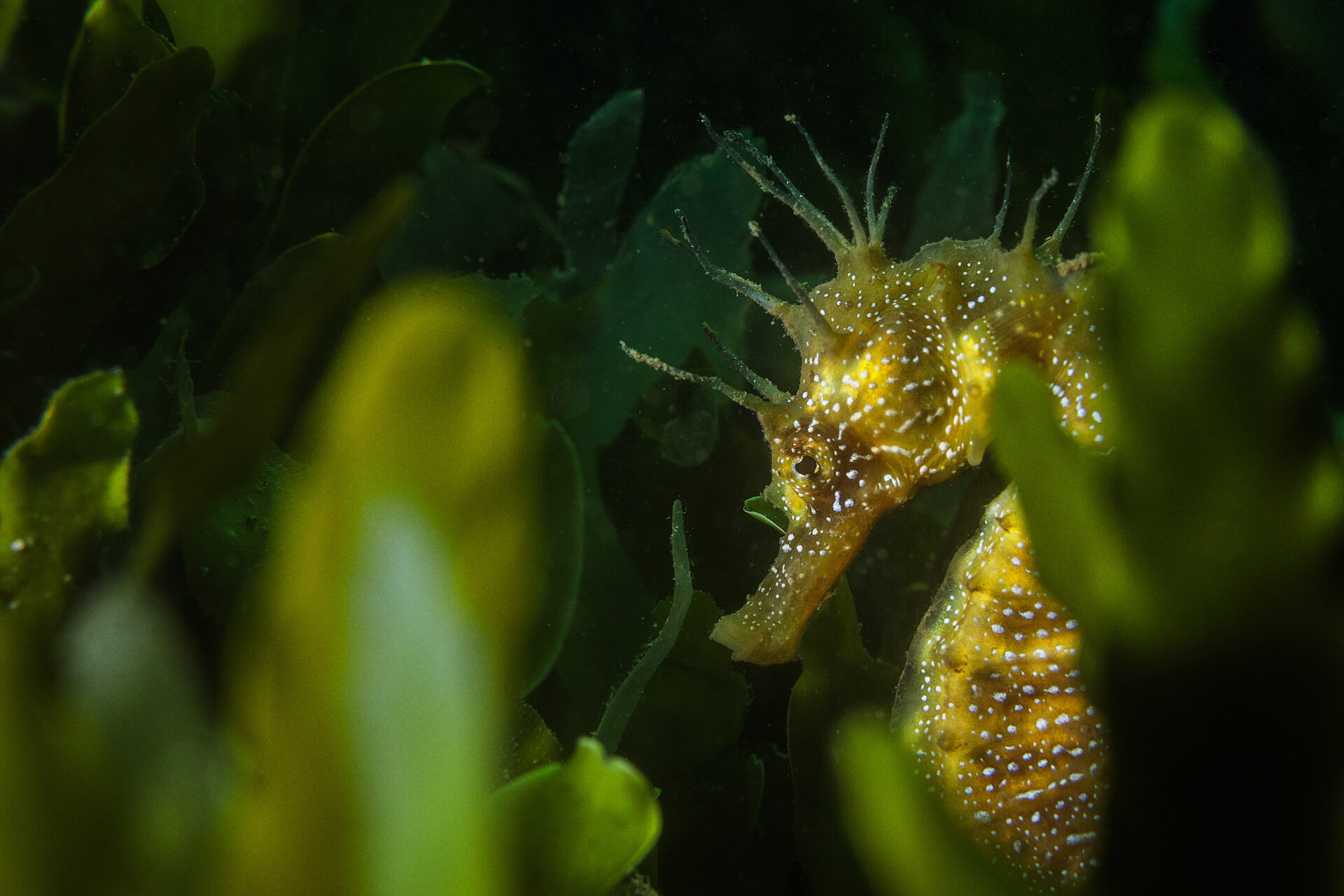
© João Vieira Rodrigues
Seahorses like the one pictured here, along with many other marine animals, often shelter in seagrass meadows. Natural havens for marine biodiversity, seagrass meadows are among the most productive and biologically rich habitats in the ocean. Yet destructive fishing practices and anchoring damage these delicate ecosystems while also depleting the animal populations that use seagrass meadows as nurseries.
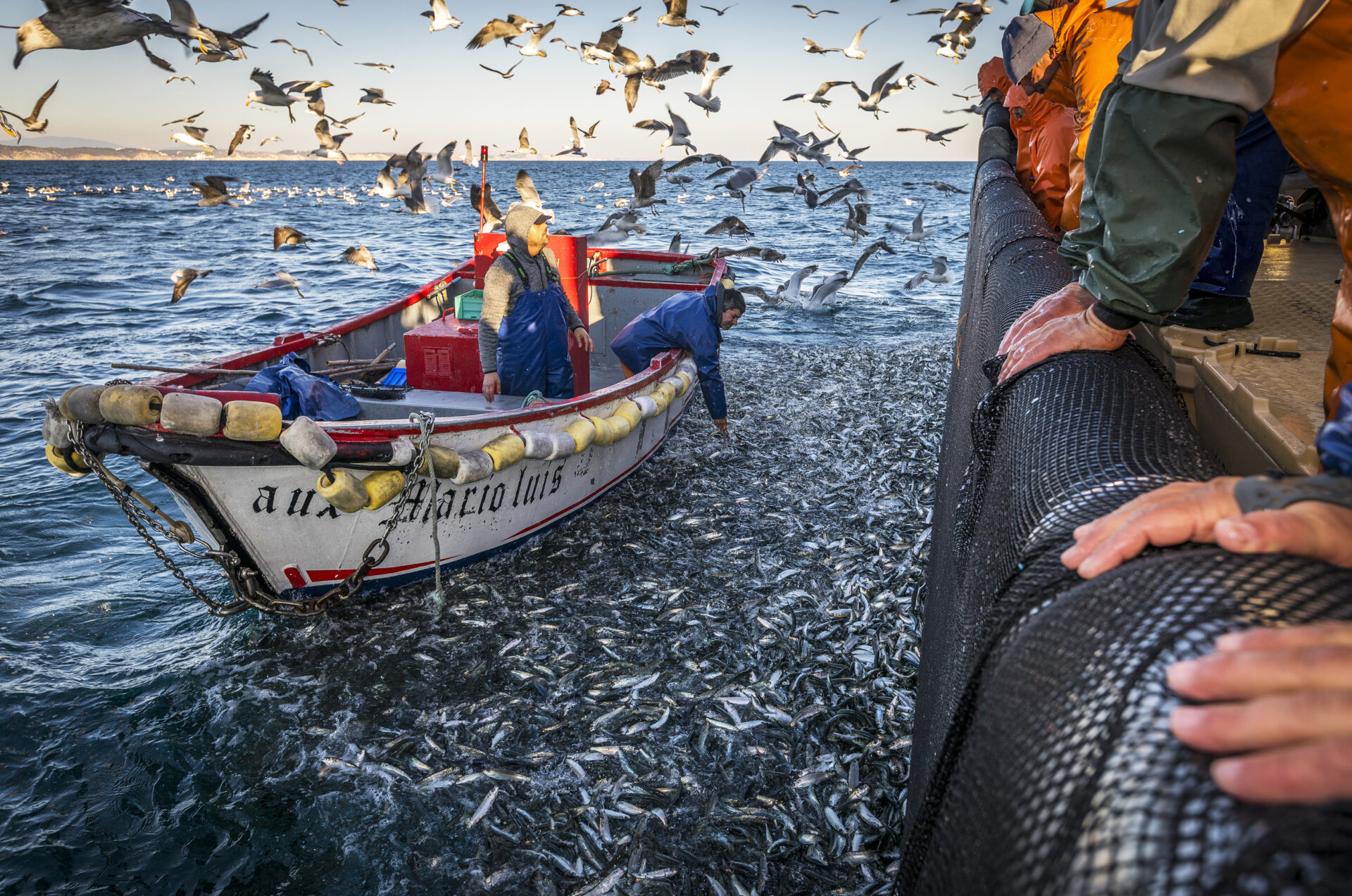
© João Vieira Rodrigues
An incident that led to a catch of sardines being discarded during a seasonal fishing closure highlights the need to rethink how fisheries are managed. We must minimise the environmental impact of fishing while ensuring that every kilo of fish caught delivers the greatest possible social, economic and environmental value.
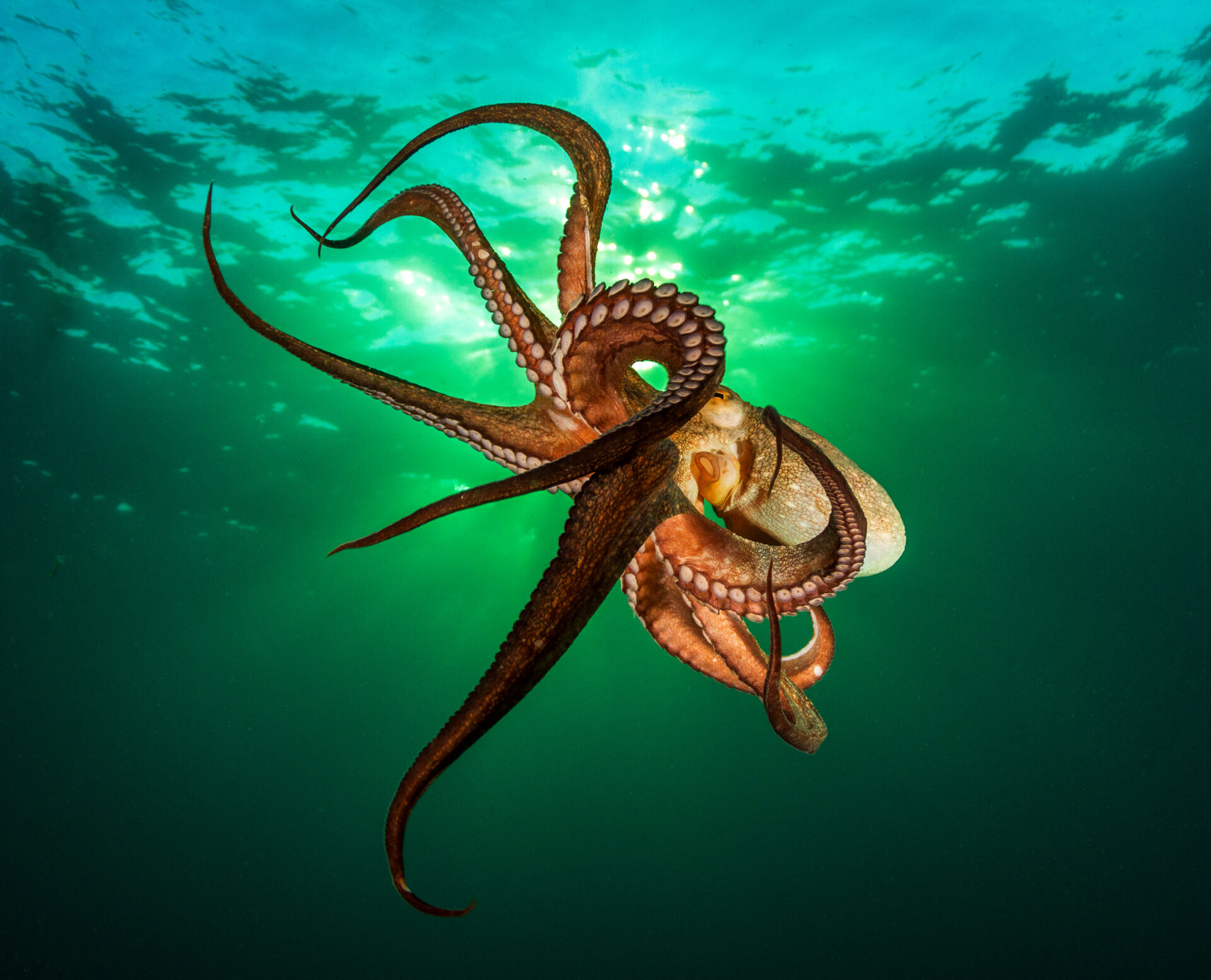
© João Vieira Rodrigues
Current policy frameworks often put economic goals against environmental protections, resulting in ineffective compromises that fail to safeguard either fisheries or the marine ecosystems they depend on. Shifting towards low-impact practices and gear, such as octopus pots, can help support the long-term stability of both marine ecosystems and coastal communities.
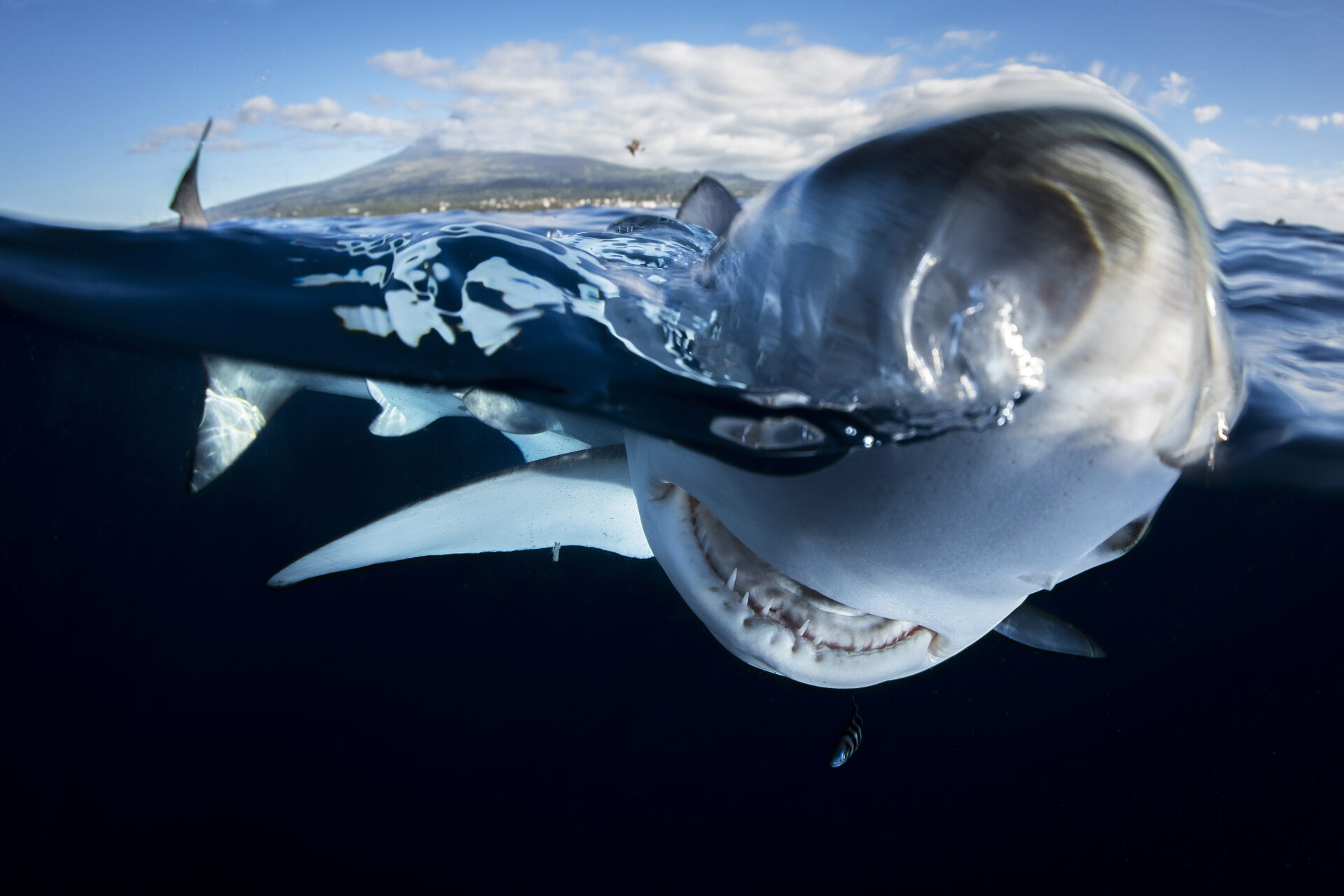
© João Vieira Rodrigues
Sharks are among the world’s most threatened animals due to overfishing and bycatch, incidental or not. Unlike other species of fish, sharks mature slowly and reproduce at a lower rate, therefore requiring more time to recover from population declines. For endangered shark populations to recover, fishing must be managed in ways that respect marine ecosystems and life.
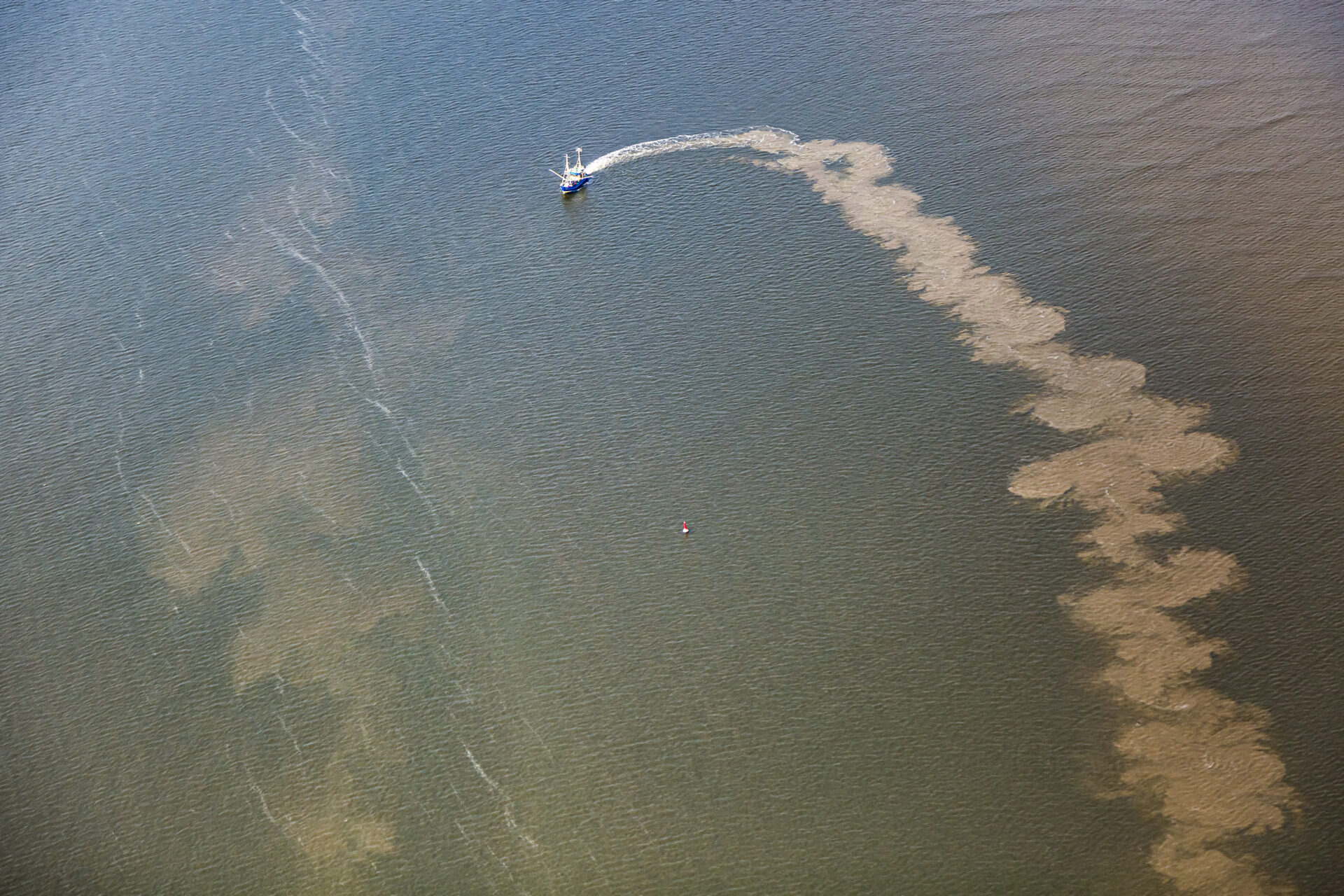
© Martin Stock
Beam trawls like this one in the Schleswig-Holstein Wadden Sea National Park catch brown shrimp by dragging nets across the seabed. The practice stirs up substantial amounts of sediment, causes significant bycatch and damages sensitive seabed communities. The decline of Sabellaria reefs and seagrass meadows has been associated with historical beam trawling activity. Yet beam trawling remains allowed across most of the protected area and coastal zone that are essential nursery habitats.
© Danny Copeland
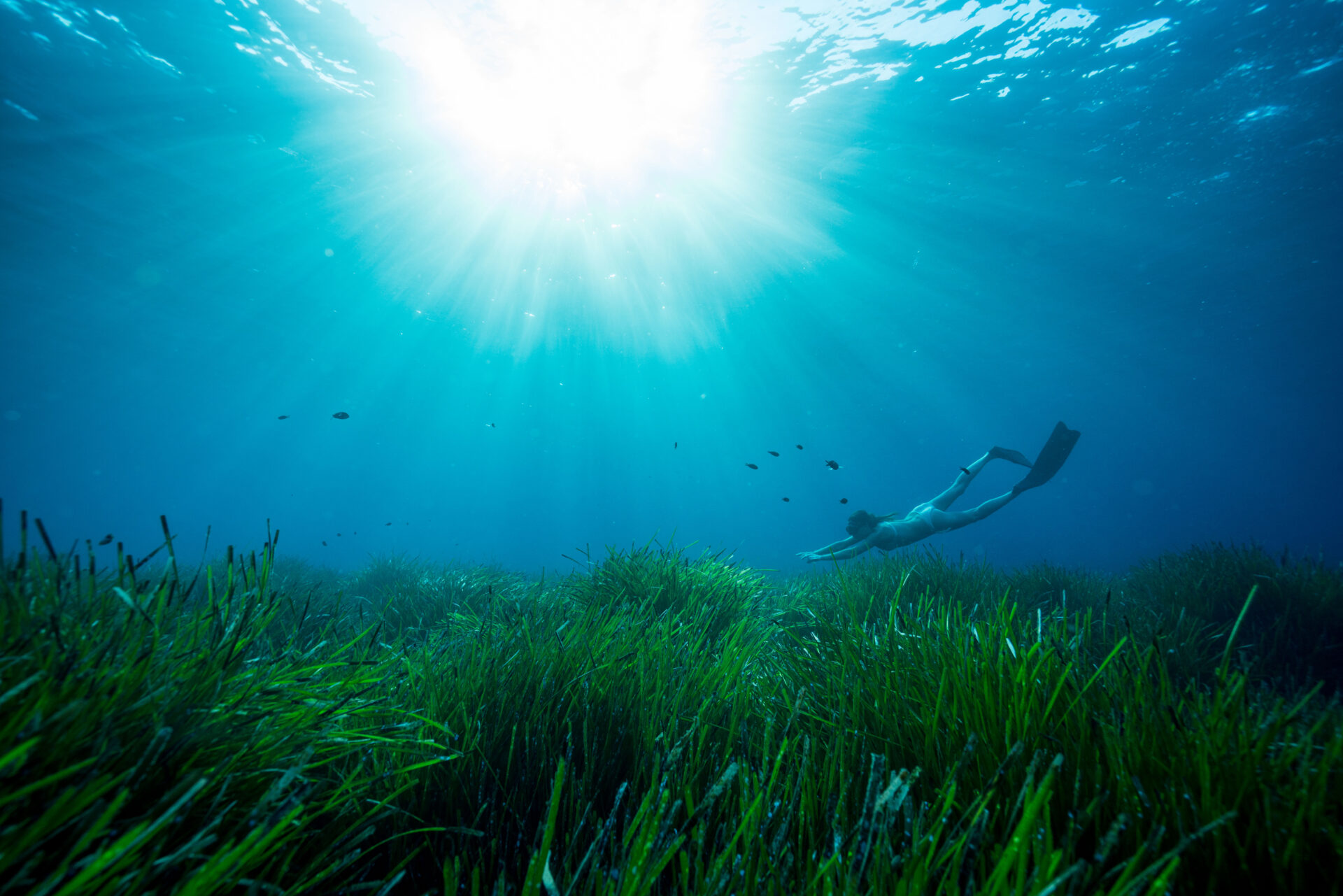
Also known as the ‘lungs of the sea’, seagrass meadows like the one pictured here are essential for marine biodiversity, providing food and shelter to hundreds of species. They are also highly effective at carbon sequestration, despite covering only around 0.1% of the ocean floor. However, despite their vital importance to marine and coastal ecosystems, seagrass meadows remain one of the most under-protected coastal habitats.
© João Vieira Rodrigues
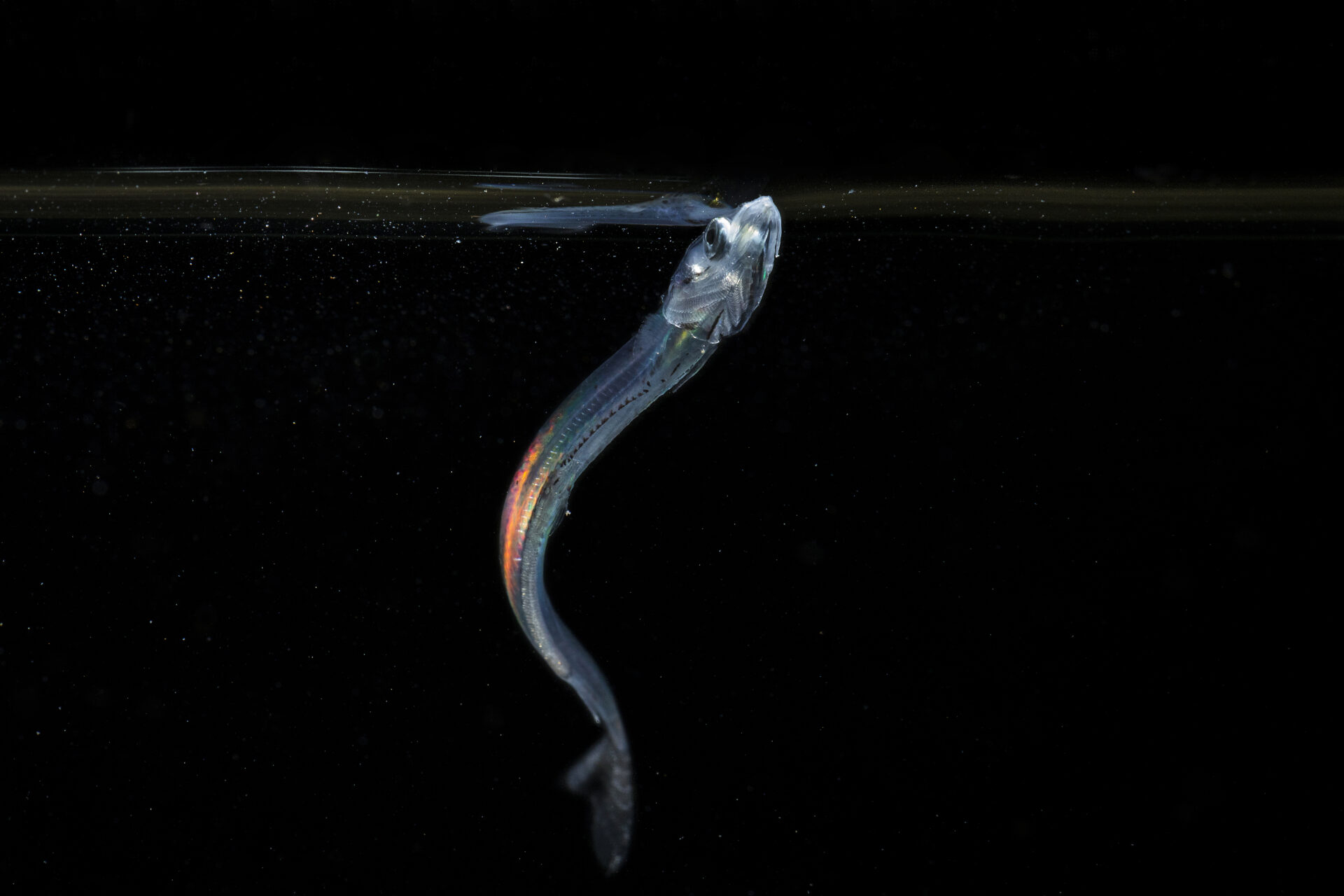
A sardine larva, only a few days old, swims near the surface of the water in search of food. Sardines are typically caught in purse seine nets, which surround entire schools of fish. While purse seining is less damaging to the seafloor than bottom trawling, bycatch can still occur, potentially affecting non-targeted species and reducing marine biodiversity.
© Wolf Wichmann
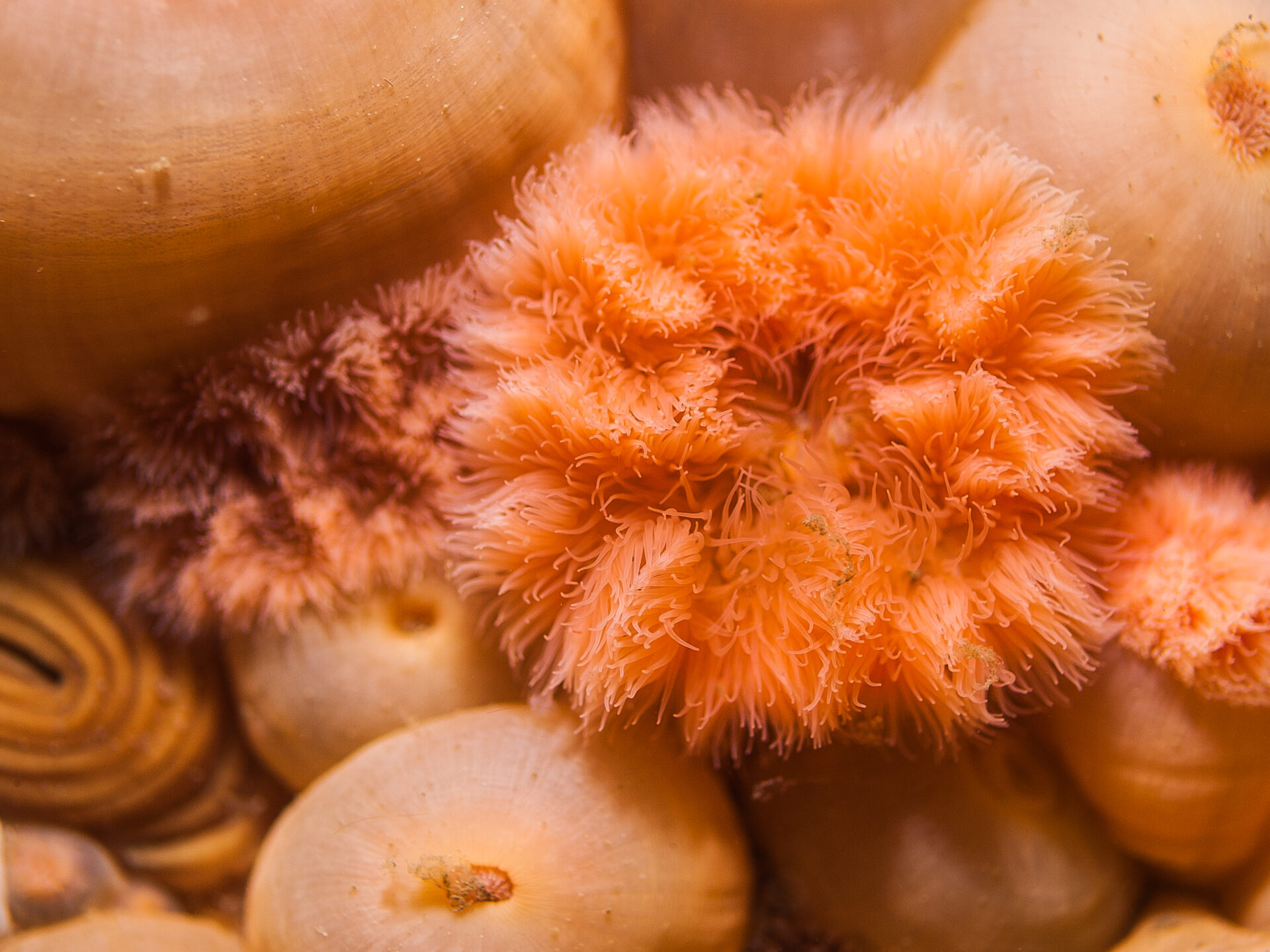
Sea anemones like Metridium senile still inhabit the German North Sea, firmly attached to rocky seabeds. But bottom trawling can destroy the reefs they depend on, while suspended sediments may smother these sensitive animals. With little ability to escape, anemones are particularly vulnerable to seabed disturbance, which contribute to the loss of reefs habitats.
Posted on: 7 October 2026