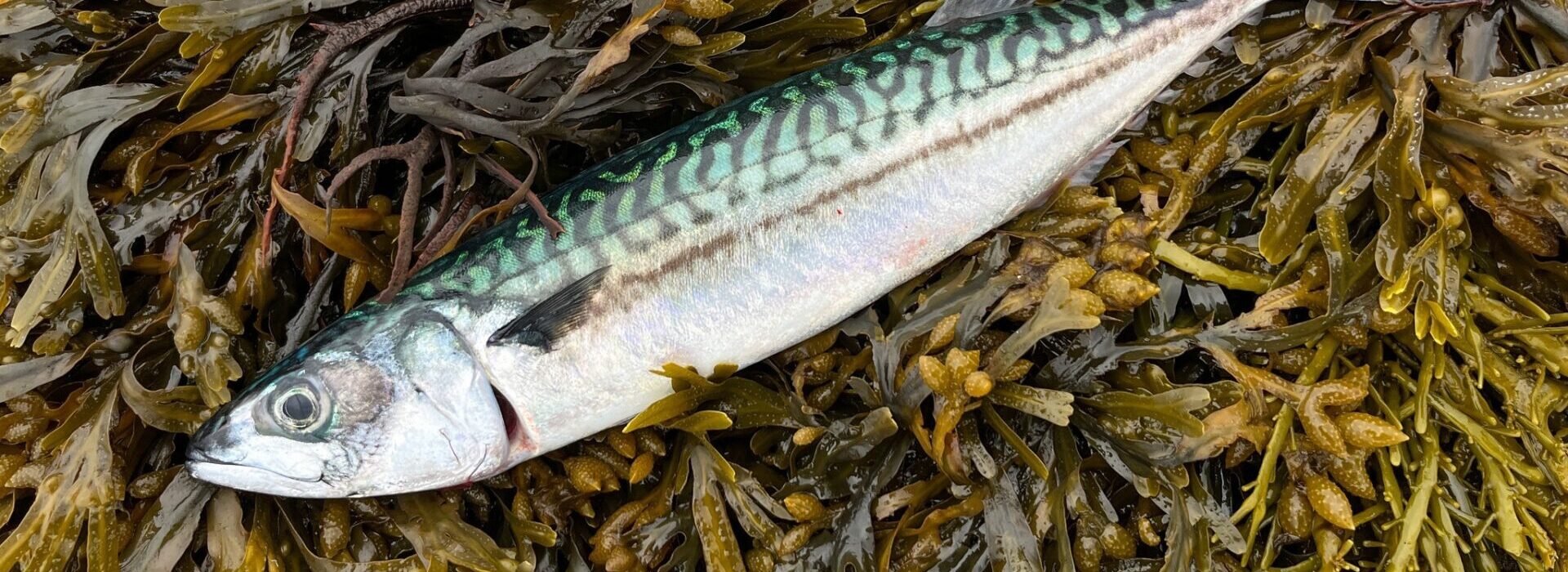
A few days ago, the Agrifish Council set mackerel fishing quotas above scientific advice, choosing to ignore scientific recommendations after negotiations with non-EU countries. This decision puts the Northeast Atlantic mackerel population at serious risk.
After years of overfishing combined with climate change, the population of mackerel that can reproduce has declined from 13 million tonnes in 2014 to 3 million tonnes in 2025. For this reason scientists called for a 70% reduction in catches for 2026 with the objective to give the population a chance to replenish. The EU initially applied this limit provisionally while negotiating with other non-EU countries, including the UK, Iceland, Norway, and the Faroe Islands. However, as discussions among non-EU parties converged on a less ambitious reduction, EU ministers aligned with that outcome, turning a warning from science into a license to overfish. This race to the bottom is how fish populations are driven into decline, and how they become trapped there. Political delays to precautionary action only make it harder to protect both the fish and the communities that depend on them.
Mackerel is a “forage fish,” meaning it sits in the middle of the food chain and acts as a bridge between lower and higher levels of the ecosystem, from plankton to marine mammals. When its population declines, the impact spreads quickly and the balance is disrupted. Its decline ripples across ecosystems and economies alike.
After mackerel was downgraded in sustainability rankings due to years of overfishing, civil society in the UK stepped in. In February, two members of Seas At Risk, namely the Blue Marine Foundation and the Marine Conservation Society, called on supermarkets to stop sourcing mackerel from Northeast Atlantic industrial fisheries driving overexploitation. In response, Waitrose, a major UK retailer committed to suspending sales of mackerel, signalling a growing responsible shift.
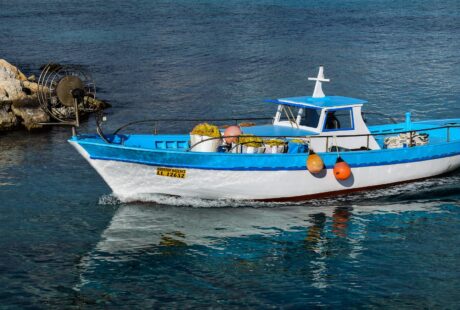
At this stage, the only real policy lever left is quota allocation. After Ministers have decided the size of the cake, Member States must now decide how it is shared, and who gets to fish mackerel. That choice matters. Prioritising small-scale, low-impact fishers is essential because their practices cause minimal disruption to the ecosystem and shows a higher competitiveness than the floating factories. These fishers are also closely linked to coastal communities, supporting local economies. In contrast, large-scale industrial vessels exert far greater pressure on the ocean. They have higher catch volumes, take the fish all at once, often using destructive methods. Continuing to reward such fleets accelerates the decline of mackerel and jeopardizes the long-term survival of their fisheries and coastal communities.
Posted on: 8 April 2026