As the EU is negotiating its next long-term budget, Member States are opening the door to more subsidies for fishing vessels while failing to guarantee funding to protect and restore the ocean.
Europe’s seas are under pressure. Fish stocks are struggling, marine ecosystems are deteriorating, and climate change is making matters worse. At a time when protecting and restoring our ocean should be a priority, EU governments appear ready to spend more public money on fishing vessels, including in fleets that are already too large for the fish populations they depend on.
The EU is currently negotiating the Multiannual Financial Framework (MFF), which will determine how taxpayers’ money is spent between 2028-2034.
At the end of September 2026, the Council of the EU agreed on its position on future funding for fisheries and ocean-related activities. The direction is alarming.
Instead of putting ocean recovery at the heart of EU spending, Member States are opening the door to more subsidies for fishing vessels, weakening environmental safeguards and failing to guarantee funding for marine protection.
The contradiction is striking: Europe cannot promise to restore its seas while using public money to increase pressure on them.
More money for fishing, but at what cost?
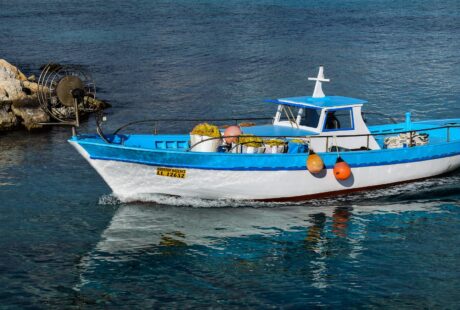
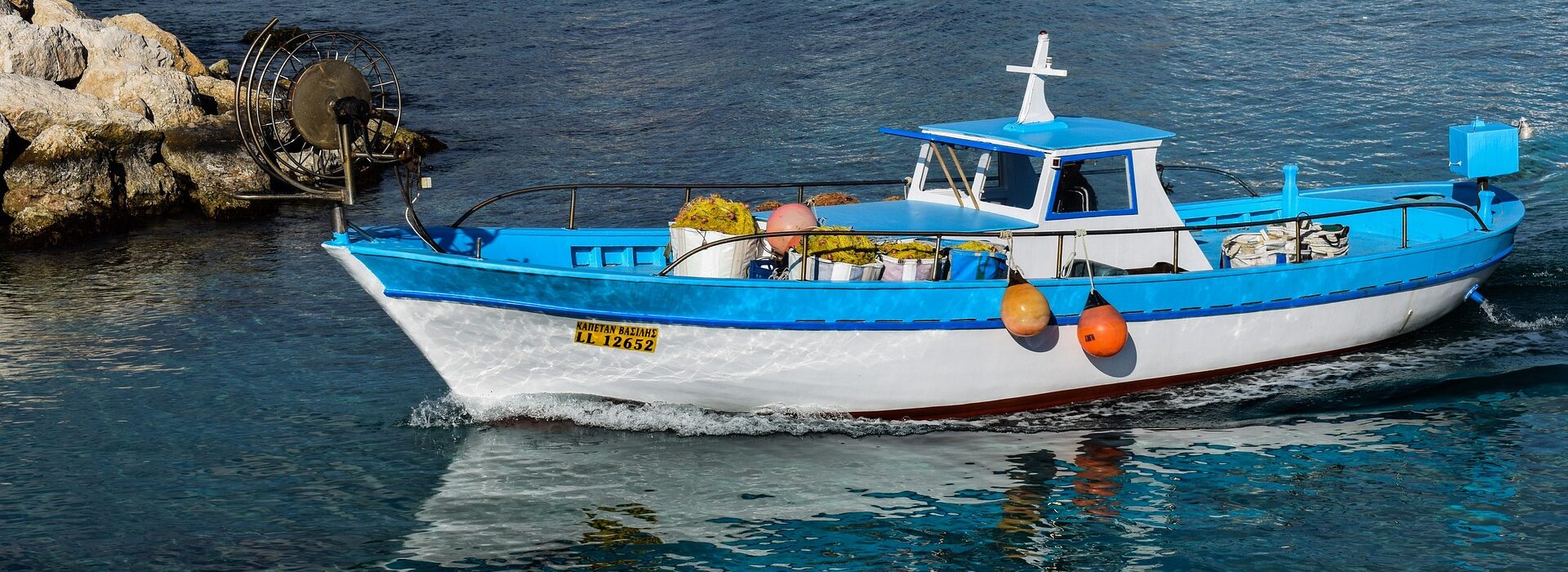
Parts of Europe’s fishing fleet are already too large for the amount of fish that can be sustainably caught. Yet the council wants to allow EU money to finance the construction and purchasing of more fishing vessels, including in fleet segments officially identified as having too much fishing capacity.
In other words, taxpayers’ money could help expand fleets in areas where fishing pressure already needs to be reduced. This risks creating a vicious circle: fishing capacity puts greater pressure on fish populations, making it harder for them to recover and threatening the long-term future of the very industry these subsidies are supposed to support.
Instead of investing in a transition towards low-impact fishing that protects marine ecosystems and secures livelihoods, public money could go towards practices that damage the ocean. While funding for fishing vessels is permitted, there is no equivalent guarantee that EU countries will invest in protecting and restoring marine biodiversity. This means that governments could choose to prioritise fishing fleets while leaving marine protected areas, ecosystem restoration and the enforcement of environmental laws underfunded.
With existing funding programmes being brought into a new, more flexible budget structure, countries will have more freedom to decide where their money goes. Without clear requirements, many may choose to put marine protection at the bottom of their list.
The result could be a widening gap between countries investing in healthier seas and those continuing to prioritise fishing activities over ocean recovery.
Ocean Pact left on the sidelines
In June 2026, the EU adopted its Ocean Pact, promising a more coordinated approach to protecting the ocean and ensuring a sustainable future for maritime activities. Despite the Ocean Pact’s ambitions, the Council’s position treats funding for the Pact and wider maritime policies as something the EU spending “may also” support, rather than a clear policy. And now the focus remains overwhelmingly on fisheries and aquaculture, which is not in line with the original proposal.
This is a missed opportunity. The EU’s long-term budget should help deliver its ocean commitments, from restoring marine ecosystems and protecting biodiversity to supporting coastal communities and making maritime activities more sustainable.
There is no healthy and prosperous fisheries sector without healthy seas. If fish populations continue to decline and marine habitats deteriorate, no amount of subsidies for new vessels will secure the sector’s future.
Environmental protection at its worst
EU funding, or taxpayers money, should support activities that help restore marine ecosystems and reduce environmental damage. Yet the Council’s position lacks strong safeguards to ensure that public money contributes to healthier seas.
Funding for fishing vessels could be justified using broad objectives such as “improving profitability”, “competitiveness”, and “food production”. Making fishing more profitable or efficient does not automatically make it more sustainable. Without clear environmental rules, these subsidies risk increasing fishing pressure rather than reduce it.
The Council also wants to significantly weaken existing rules that prevent operators who break fisheries laws from receiving EU funding. Under the current system, serious infringements can result in operators losing access to subsidies for several years. The proposed approach would weaken these restrictions, potentially allowing those who break the rules to receive public money again much sooner. This sends the wrong message: public money should reward responsible fishing, not make it easier for those who break the rules to return for more funding.
Falling short on international commitments
“No Member shall grant or maintain subsidies for fishing or fishing related activities regarding an overfished stock.”- World Trade Organization
The EU prides itself on being a global leader in ocean protection. Its approach to fisheries subsidies risks undermining that reputation.
The World Trade Organization’s Agreement on Fisheries Subsidies establishes rules aimed at preventing harmful subsidies, including those linked to overfished stocks. The Council claims its proposed framework is aligned, yet its approach raises serious concern.
Under the Council’s position, funding for new fishing vessels could still be permitted in fleet segments operating in areas with overfished stocks, provided that management and conservation measures are in place, and an action plan has been submitted. But there is no requirement to demonstrate that stocks are actually recovering.
Small-scale fishers left behind
While larger fishing operators stand to benefit from continued subsidies, Europe’s small-scale fishers risk being left behind. These fishers are the backbone of coastal communities, supporting local jobs, economies, and traditions. They make up 76% of the EU fishing fleet and account for around half of its fishing workforce yet only receive 7% of fisheries subsidies.
The Council’s position does little to address this imbalance. It removes a provision that would have allowed small-scale fishers to receive up to 100% public funding for eligible investments, leaving the issue to wider budget negotiations.
At the same time, funding for vessels over 30 metres will now be allowed. This risks reinforcing a system in which larger industrial operators are better placed to benefit from public money, while smaller fishing businesses struggle to access the support they need.
If the EU is serious about a fair transition to sustainable fisheries, it must prioritise small-scale, low-impact fishers who support coastal communities and help protect the marine environment.
Choosing between repeating past mistakes and investing in the future
The EU has repeatedly committed to protecting marine biodiversity, restoring damaged ecosystems and making fishing more sustainable. These promises must be reflected in the taxpayers’ money.
The Council’s position is a major step backwards and risks taking Europe in the opposite direction. In fact, Member States seem to be missing the fundamental point of EU Ocean regulation: protecting and restoring our seas is essential to securing the future of European fisheries.
The European Parliament now has an important opportunity to correct course. It must push to end subsidies for new vessels in fleet segments with excess fishing capacity, restore strong environmental safeguards, guarantee funding for marine biodiversity and ensure that small-scale, low-impact fisheries receive their fair share of EU support.
Ultimately, this is about much more than fisheries funding. It’s about deciding what kind of future Europe wants for its seas and the communities that depend on them. We can keep spending public money on activities that put the ocean under pressure or we can investing restoring the ecosystems that sustain fisheries, coastal livelihoods and life beneath the waves. Europe cannot afford to do both.
Posted on: 13 October 2026