As the European Commission assesses the future of the Common Fisheries Policy (CFP), calls to reopen the legislation are emerging among industry and some Member States. But Seas At Risk warns that reopening the CFP now would be a mistake. The real problem with Europe’s fisheries policy is not its design. It is its delivery.
Over the past decade, the CFP has provided a clear, science-based framework to manage fisheries sustainably. Where it has been properly implemented, fish populations have recovered: for example, North Sea plaice, once overfished, is now sustainably managed under science-based limits. Moreover, parts of the fishing sector have also become more stable and profitable. This shows that the law works when it is applied properly.
However, key elements of the policy are still not fully delivered. Fishing opportunities are not always aligned with scientific advice, and many fish populations remain overfished. Ecosystem-based management is largely overlooked, while rules to allocate fishing opportunities to low-impact fishers are unknown and rarely applied. Enforcement remains weak or, in some cases, absent.
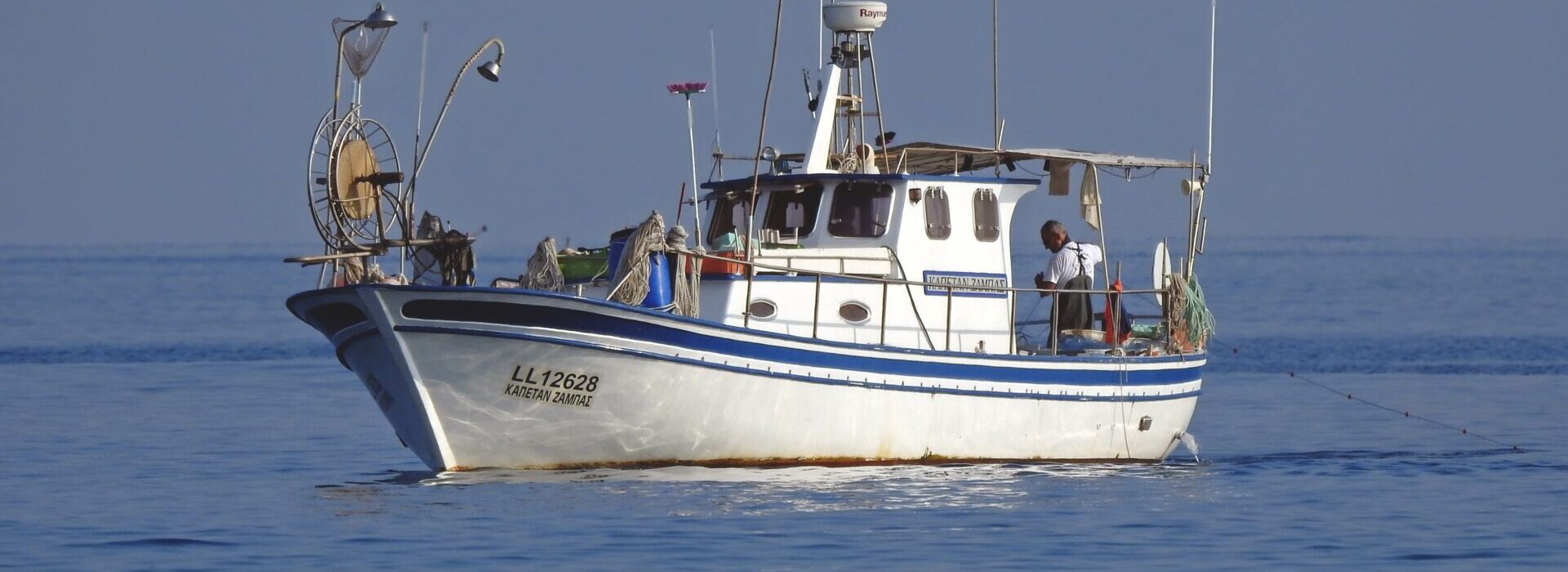
The impacts of this implementation gap are particularly evident for small-scale, low-impact fishers, who represent the most vulnerable segment of the sector. They continue to face declining catches and increasing pressure on their livelihoods. In several regions, including the Mediterranean, fishers report the need to deploy up to four to five times more nets to catch the same amount of fish as in the past.
These trends point not to a failure of the legislative framework itself, but to shortcomings in its implementation. Current challenges stem not from a poor conception of the law, but from a lack of effective application of the rules. In this context, reopening the CFP would risk diverting attention and resources away from what is most urgently needed: proper and consistent implementation.
First, reforming the CFP would create years of legal uncertainty. It is a long and complex process, often accompanied by delays in enforcement as institutions and Member States wait for new rules. At a time when marine ecosystems and coastal communities are under increasing pressure, Europe cannot afford to lose momentum.
Second, a reform could open the door to deregulation under the guise of simplification. Europe has faced similar challenges in the past, when weak controls or lack of rules contributed to widespread overfishing and the depletion of fish stocks. The CFP was reformed in 2013 precisely to address these failures. Rolling back its measures now would be a step backwards.
The European Commission itself stated in 2023 that the CFP is fit for purpose. Since then, little has changed in the evidence base, only the urgency to act has increased. Climate change, biodiversity loss, and growing pressures on marine ecosystems demand implementation, not institutional distraction. Delaying full implementation risks turning struggling fish populations into collapsed fisheries, from which recovery would take decades, with impacts on fishers and coastal communities.
Many of the solutions on the table today, such as better quota allocation to support for low-impact fishers, are already part of the CFP. Rules simply need to be followed. Reform is often politically appealing – it signals ambition and movement – but in this case, it risks becoming a substitute for action.
What Europe’s fisheries need now is not another negotiation process. It needs enforcement of the rules, respect for scientific advice, and support for fishers who are already operating sustainably. Reopening the CFP may sound like progress. In reality, it would delay it.
Posted on: 27 April 2026