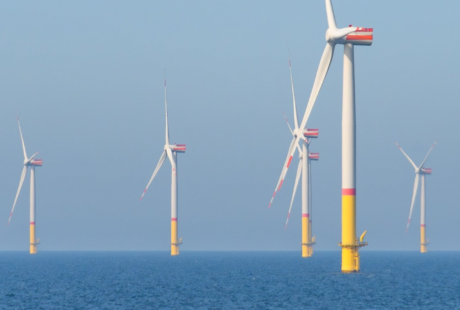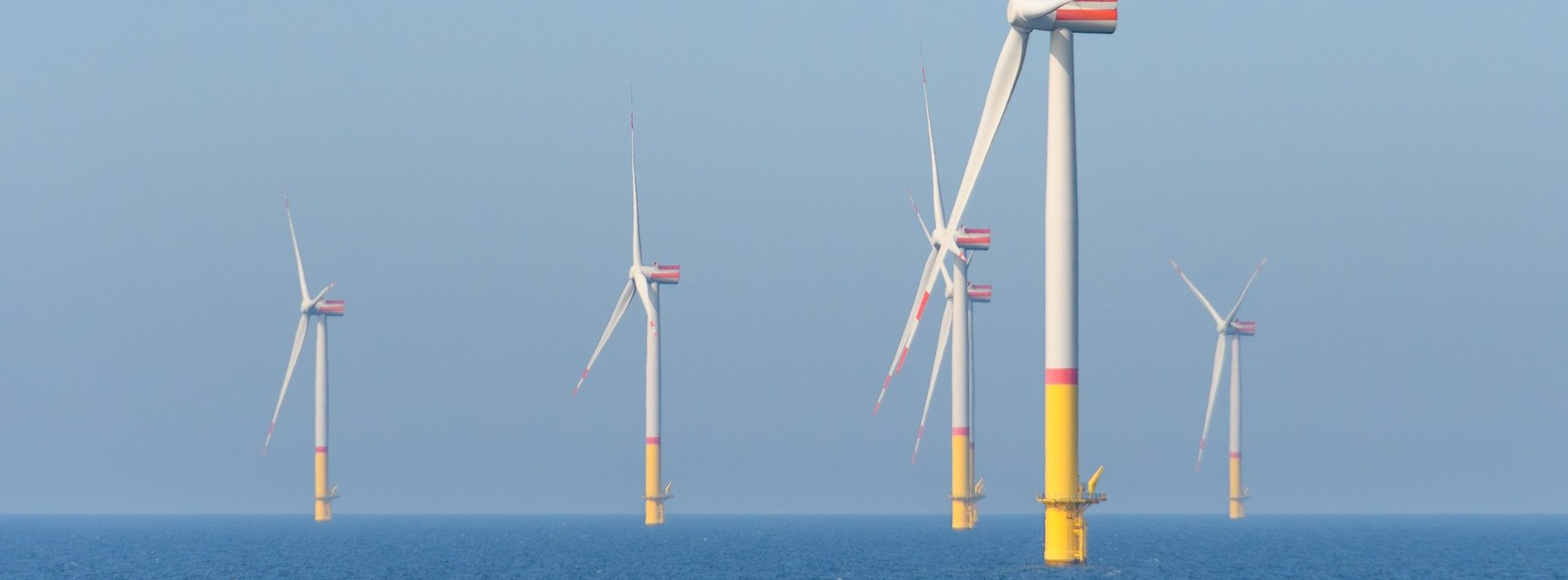
On 26 January 2026, leaders from nine North Sea countries met to discuss closer cross-border cooperation in offshore wind deployment and confirmed offshore wind will play a central role in Europe’s energy transition.
While the ambition to strengthen cross-border cooperation to accelerate offshore wind deployment is welcome and holds potential to reduce the impacts on marine ecosystems, the emphasis on competitiveness, energy security and simplified permitting risks sidelining environmental protection.
Massive offshore wind deployment will profoundly transform this already crowded sea. The North Sea is a connected ecosystem, where pressures go beyond national boundaries and cross-border cooperation is essential to limit the cumulative impacts of human activities on marine ecosystems. Yet, its effectiveness will depend on countries’ political commitment to ensure alignment between climate and biodiversity policies.
Both the Hamburg Declaration of Heads of State and the Hamburg Declaration of Energy Ministers signed at the Summit acknowledge the importance of safeguarding the ocean and restoring marine ecosystems. They refer to the need to achieve good environmental status and recognise that cross-border cooperation could help reduce environmental impacts. However, with offshore wind stalled in the United States and Europe seeking to reduce dependence on fossil fuels, renewable energy is increasingly framed as a strategic asset for competitiveness and energy security. In this context, nature risks being treated as a constraint rather than a core objective.
Offshore wind is essential to tackle climate change, but so is a healthy ocean, which absorbs carbon, regulates the climate, and sustains livelihoods. Protecting it is not a barrier, it is a prerequisite for a resilient energy transition. Member States and the EU Commission must ensure that competitiveness and simplification agendas do not undermine efforts to align climate and biodiversity. While simplification can support deployment, derogations from environmental legislation risk further weakening the already fragile North Sea ecosystems. Instead, countries must address true bottlenecks to renewables permitting, including the lack of sufficient human and financial resources in permitting authorities and the accessibility of data.
Effective cross-border cooperation in Marine Spatial Planning requires placing ocean health at the core through the application of an ecosystem-based approach that recognises nature as the basis of all human activities. For the energy transition at sea, this requires aligning offshore wind deployment with nature protection and restoration. Offshore wind farms must not be installed in marine protected areas and other sensitive sites and environmental impacts must be assessed at all planning and project levels so that prevention and mitigation measures can be taken. Cross-border cooperation will also be critical to promote knowledge and best practice sharing for a nature-inclusive energy transition. For instance, non-price criteria in auctions are being used to reward projects that reduce environmental impacts, restore habitats, promote circularity, and meaningfully involve local communities. The Dutch government for instance granted the permit for the IJmuiden Ver Wind Farm Site Alpha to Noordezeker, which won the tender because of its plan to introduce measures reducing the impacts on birds and marine mammals and install artificial reefs on most of the turbines.While countries are experimenting with such approaches, they remain limited and inconsistent.
Local communities, largely absent from the political declarations, are directly affected as offshore wind reshapes coastal regions and sea uses. While the industry has acknowledged the need for more inclusive and transparent engagement, political leadership must also commit to making participation a core part of the transition. Together with partner NGOs, Seas At Risk launched the North Sea Alliance to advocate for cross-border maritime spatial planning that integrates climate action, biodiversity restoration and social justice. We look forward to working together with policy-makers and stakeholders to shape a nature-inclusive energy transition in the North Sea.
Posted on: 5 February 2026