One year after NGOs’ legal complaint to the European Commission over bottom trawling in Marine Protected Areas the European Commission has still not launched infringement procedures against Member States or responded publicly.
The complaint filed by the NGOs Seas At Risk, ClientEarth, Oceana and Danmarks Naturfredningsforening, exposed persistent unchallenged bottom trawling in Marine Protected Areas in Denmark, the Netherlands and Spain, and called on the Commission to enforce EU nature law through infringement action.
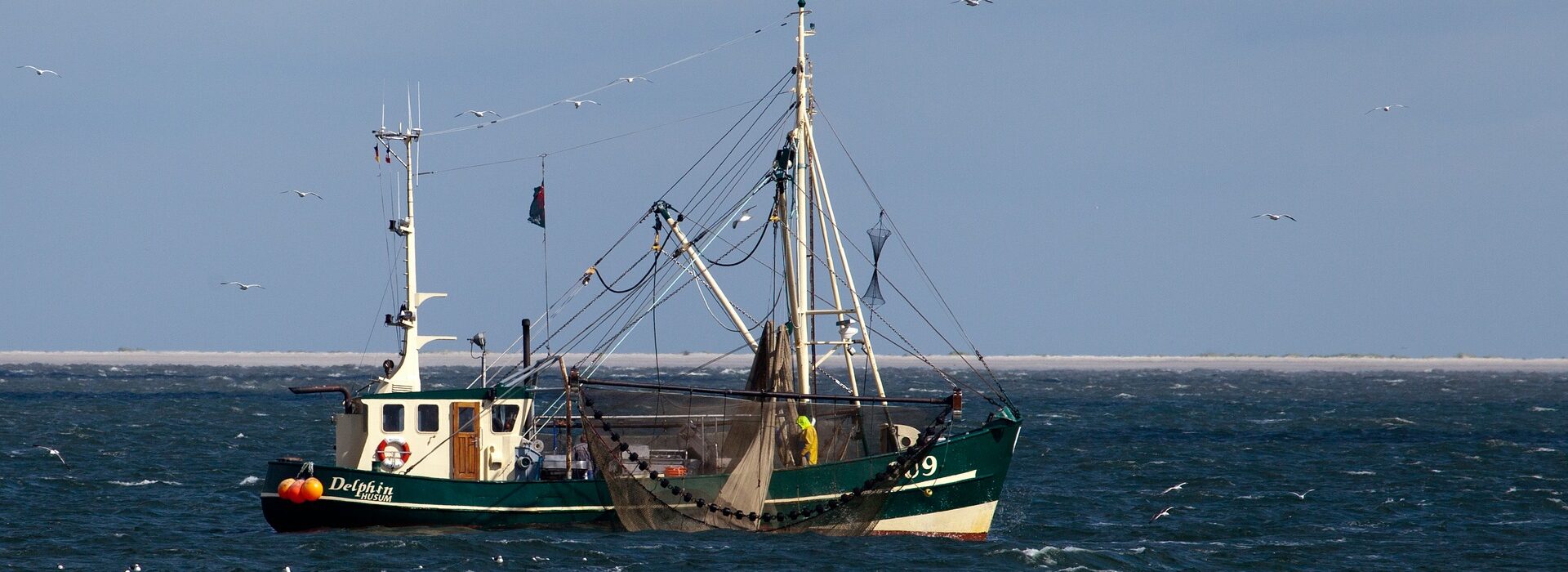
As the Commission fails to enforce the law, heavy fishing nets continue to scrape fragile seabed habitats inside areas supposedly designated to protect marine life and vulnerable species. This is not marginal: around 60% of EU Marine Protected Areas remain exposed to bottom trawling, despite overwhelming scientific evidence of the damage it causes and clear legal obligations under EU law.
At the same time, the legal landscape is beginning to shift. Across Europe, courts are increasingly confirming that bottom trawling is not compatible with protected areas.
The EU General Court rulings in May and June 2025 rejected attempts by a German fishing association and the Spanish government to annul bottom trawling restrictions in vulnerable marine environments. The rulings made clear that neither national governments nor industry groups have sufficient legal grounds to overturn such protections in EU waters.
Moreover, earlier this year, a Dutch court delivered a landmark ruling on the Dogger Bank Natura 2000 site, finding that bottom trawling can no longer continue there without proper permits and environmental assessments.
Several similar cases brought by national marine NGOs are still pending before national courts in Germany, Spain, Sweden, France, continuing to test the implementation of EU nature law in Marine Protected Areas and the legality of bottom trawling in these protected waters.
As environmental groups mark this one-year moment, the legal direction is becoming increasingly clear: “protected” must mean protected.
NGOs are calling on the Commission to require National Restoration Plans to ban bottom trawling in Marine Protected Areas enabling the recovery of damaged marine ecosystems. At the same time, the upcoming European Ocean Pact is a critical political opportunity to strengthen ocean protection across the EU. It is time for Brussels to step in, build on these important legal precedents, and push for a coordinated, EU-wide ban on destructive bottom-contact gear in all EU Marine Protected Areas.
Posted on: 2 June 2026