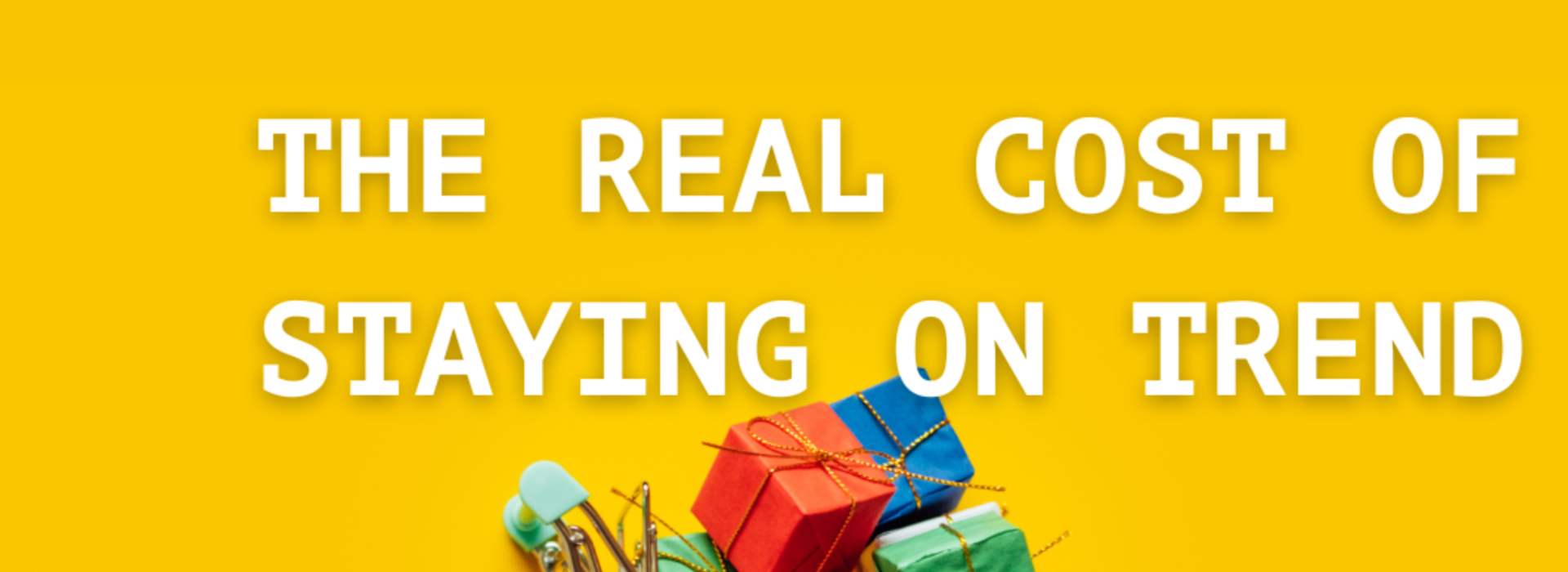
As more of our free time is spent on social media, from scrolling gym tutorials to sending memes to your work bestie, it is only natural that the fast fashion industry wants in. With platforms such as TikTok and Instagram bringing looks and goods to people’s fingertips, the phenomenon of micro-trends is born.
Powered by algorithms and AI, retailers are learning to detect and generate trends in acceleration rather than waiting for runways or cultural movements. By scanning billions of posts, search queries and shopping habits, they can spot emerging trends and bring items out weeks rather than months later. It’s a goldmine for the industry, and a minefield for the people and the planet.
This can mean big bucks for the industry but bigger costs for us in the long run. Take Shein, the so called “shein machine”. This brand dominates TikTok and #SheinHaul videos see influencers promoting mountains of polyester outfits worn once and then tossed. Behind the ring lights lies a darker reality: microplastic shedding, high levels of toxic chemicals in their products, and clothing that lives longer in a landfill than it ever did in your wardrobe.
Each haul also means mountains of goods being shipped across the world. Nearly 90% of world trade is moved across the ocean, leading to a myriad of problems: more greenhouse gases and air pollution being pumped into the atmosphere, an increased risk of whale collisions and more underwater noise pollution to name a few. According to the European Parliament,12 million small e-commerce packages enter the EU every single day. Shortening supply chains won’t just cut shipping’s footprint, it will lead to a boost in local economies and more skills being brought home. Buying locally produced goods often means less shipping, less packaging, and less environmental damage.
Fast fashion and micro trends are built to fall apart. But style that lasts does not have to mean expensive. This holiday season, check your labels. “Poly” means plastic, and plastic never really leaves. Choose natural, non-toxic fibres that age well and can live a second life in someone else’s wardrobe, not on the landfill. Adopting a capsule wardrobe – interchanging a few pieces to create multiple well-curated outfits – isn’t just elegant, it’s also sustainable.
But tackling overconsumption isn’t just about fashion and trade, it’s about fairness. Inequality fuels the race to keep up with trends: to wear what others have, to post what others flaunt. The pressure to appear “on-trend” can lead to debt, anxiety, depression, and a cycle of buying that leaves us poorer, not happier. Those same material values that drive overconsumption also make people less likely to act for the planet, putting aside planetary harm for peer pressure.
If we are serious about making a change, and are committed to tackling climate change, we have to talk about equity. Building a fairer society means building trust, and trust is what makes climate action possible. It’s not only shoppers who need to change, but also the systems that feed our appetite for more. The wealthiest must consume less, but governments and brands must make circular design, repair, and reuse the rule, not the exception. True balance means giving everyone enough without letting excess define our style. Fashion, like many other trends, needs to be about balance, not excess.
The next big thing isn’t a micro-trend, it’s a movement: long-lasting, unique and kind to the people and the planet. Standing out isn’t about an algorithm, it’s about rewriting the system.
Posted on: 10 December 2025