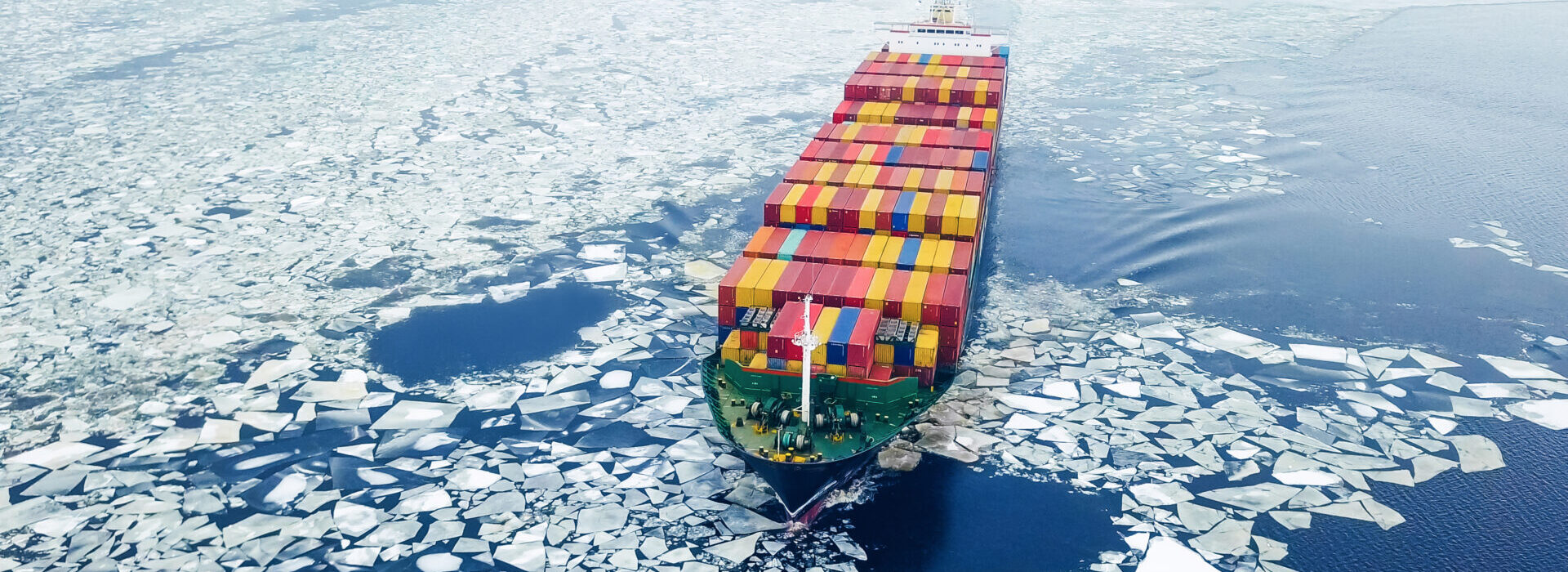
The Arctic is melting quickly, opening new shipping routes. In fact, it has seen a 37% increase in the number of vessels passing through it, carrying goods, oil, chemicals, and tourists, and a doubling of the distances being sailed. What happens in the Arctic does not stay in the Arctic: its shrinking effects global weather patterns, sea levels and the stability of the climate system as a whole.
Shipping regulators at the International Maritime Organization’s (IMO) Pollution and Prevention and Response (PPR) will quietly decide on how much pollution the Arctic can absorb.
Why we must cut down pollution in the Arctic
Pollution behaves differently in the Arctic. Sub-zero temperatures slow down natural breakdown processes. Remoteness makes monitoring and clean-up extremely difficult, if not impossible. A substance that might disperse or degrade elsewhere can stay for much longer in polar waters.
This makes prevention essential. Once pollution enters the Arctic environment, there is often no realistic way to remove it.
At this coming PPR meeting, Member States will discuss how international shipping rules can better prevent pollution from ships. Black carbon emissions have a huge impact in the Arctic and must be one of the most pressing and urgent issues on the agenda.
Black carbon or soot, produced by burning the dirtiest fossil fuels, is a very potent, short-lived climate pollutant. When ships emit black carbon near ice and snow, the particles settle on the surface, creating a dark blanket, and absorb heat from the sun. This darkening effect accelerates melting and amplifies warming. Its global warming potential over 20 years is estimated to be 1600x that of carbon dioxide.
In the Arctic, this creates a dangerous vicious circle. Less snow and ice means more dark land and water surfaces with more heat absorption, which leads to further ice loss. The impact goes far beyond the region itself: Accelerated melting of land ice e.g. glaciers in Greenland contributes to rising sea levels worldwide.
The IMO has been discussing the impact of black carbon emissions from ships for 15 years. If it leaves this meeting without clear fuel rules, the Arctic will get another decade of soot, and with it, accelerated melt. Denmark, France, Germany and the Solomon Islands have put together a proposal: Fuel choice plays a major role. Some fuels produce far more black carbon than others, and switching away from the dirtiest, highest-emitting fuels can deliver immediate benefits for both climate and air quality.
Marine Litter in Cold Waters
Marine litter is another major concern. Plastic waste, lost fishing gear and other debris enter the ocean every day, and the damage is even more detrimental in the Arctic due to its cold waters.
The international shipping community has a responsibility to prevent plastic waste from ships entering the sea. Tightening operational practices, better handling of plastic waste generated on board, or disposing of old fishing gear will help the ice, animals and people. An IMO framework, aptly entitled “Action Plan to Address Marine Plastic Litter from Ships” was originally due to eliminate plastic pollution from all ships globally by 2025.
PPR is our last chance to deliver this Action Plan, which is already past its due date. Mandatory instruments to regulate microplastics in freight containers, and measures to address the marking and reporting of lost fishing gear is essential for the Arctic: prevention is the only way forward, because once these plastics enter polar waters, they are effectively frozen in time.
Out of sight, but not out of mind
Pollution prevention is not limited to air emissions and solid waste. Whatever is discharged from ships also matters.
Exhaust gas cleaning systems, or scrubbers, are designed to reduce air pollution but simply transfer pollutants from the air into the water. Moreover, sewage discharges, particularly from older ships, can affect water quality and marine life if the treatment systems are not effective.
These issues may seem minor, but they have significant consequences in sensitive marine areas such as the Arctic. . These areas are not just zones on maps, they are the Arctic’s nurseries and feeding grounds. It’s where bowhead whales, seals and walruses raise their young, where seabirds hunt, and where Arctic cod sustains entire food chains.
Existing rules lack force, and this week’s meeting means countries will consider whether to finally restrict the discharge of scrubber wastewater in these fragile zones. Allowing shipping discharges to quietly contaminate these waters must be put to a stop.
Connecting the Dots
Black carbon, marine litter, scrubber discharges and sewage are often treated as separate topics. However, they all stem from routine shipping operations, and they all have amplified impacts in cold, ice-affected waters of the Arctic.
The IMO is where the world decides what is acceptable at sea. At PPR 13, Member States have a golden opportunity to raise the bar for protecting the Arctic.
The Arctic is being opened to global trade in real time. The only question is: will the rules arrive before the damage is done?
Posted on: 4 February 2026