The BBNJ Agreement, also known as the High Seas Treaty, officially enters into force today. This is a major milestone in global ocean protection. But as governments celebrate this historic moment, a critical question looms: will the treaty deliver real protection, or remain symbolic?
“A treaty is only as strong as its implementation,” warns Anaïs Rios, Senior Shipping Policy Officer, Seas At Risk. “Now we need real protection, rather than a symbolic treaty”.
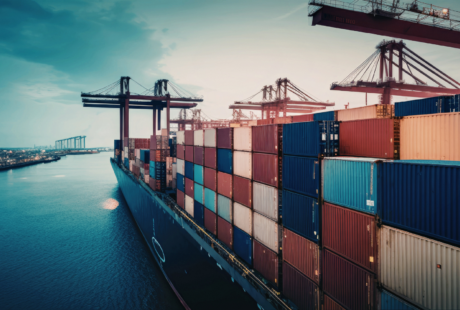
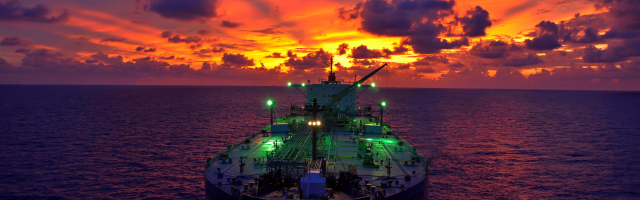
The high seas face a mountain of human threats. Shipping traffic brings underwater noise that disorientate whales and dolphins, ship strikes that kill marine mammals, toxic emissions that pollute the air, such as greenhouse gas emissions and black carbon. Marine litter, oil spills and acidification add to the damage.
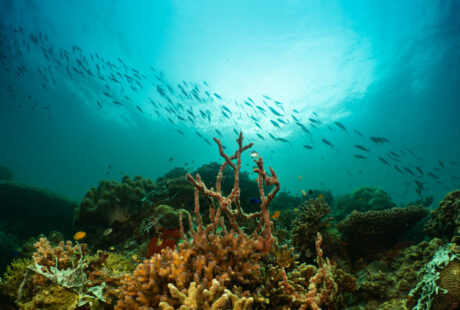
Meanwhile, bottom trawling devastates marine ecosystems that serve as critical carbon sinks. Something we cannot afford to compromise in the fight against climate change.
The Gap Between Ambition and Action
The treaty’s success hinges on coordination between the BBNJ Secretariat and the International Maritime Organization (IMO)—the UN body responsible for regulating shipping. Without formal alignment, enforcement mechanisms, and shared objectives, the BBNJ risks becoming another well-intentioned agreement that fails to change outcomes on the water.
“We need these institutions working together, not in parallel,” explains Anaïs. “The stakes are too high for bureaucratic silos.”
Our policy asks
In a paper that was released today, Seas At Risk outlines the actions governments and UN bodies need to take to make the BBNJ work:
- 1. Create a better partnership between the UN bodies that supports coherent conservation and navigation measures.
- 2. Accelerate mandatory global controls on unregulated shipping emissions and discharges, including black carbon, scrubber wastewater, grey water, and underwater noise.
- 3. Develop strong protection for marine protected areas, including mandatory routing and speed reduction measures to prevent cetacean strikes and ecosystem damage, alongside bans on destructive practices like bottom trawling.
- 4. Ensure open access to emissions and environmental data to enable science-based decision making.
- 5. Require robust cumulative impact assessments, specifically addressing the combined effects of fuel choices, routing, and industrial activities on high seas ecosystems.
- 6. Integrate the IMO Net Zero Framework, which aims at reducing ship’s greenhouse gas emissions with BBNJ biodiversity objectives. Climate stability and ocean health are inseparable.
The World Economic Forum’s Global Risks Report 2026 confirms that extreme weather events, biodiversity loss, and ecosystem collapse rank among humanity’s long-term top concerns. The report also warns that we have entered “an age of competition”.
But competition cannot come at the cost of the planet and its oceans. Without healthy seas, there will be nothing left to compete over.
Posted on: 16 January 2026